

2026 Complete Guide: High Quality Bleached Rope, Uses & Buying Tips
This 2026 expert guide draws on over 20 years of manufacturing experience from Baoli Xing hemp rope to break down everything you need to know about bleached rope. We cover core definitions, material comparisons, common use cases, care tips, and answer common questions to help you select the best bleached rope for your specific needs.
2026-07-30

📋 Overview
This guide covers the definition, benefits, common uses, buying tips, and frequently asked questions about bleached rope, backed by decades of manufacturing experience from Baoli Xing. We include 2026 industry data to help you make an informed decision for any project.
What Is Bleached Rope?
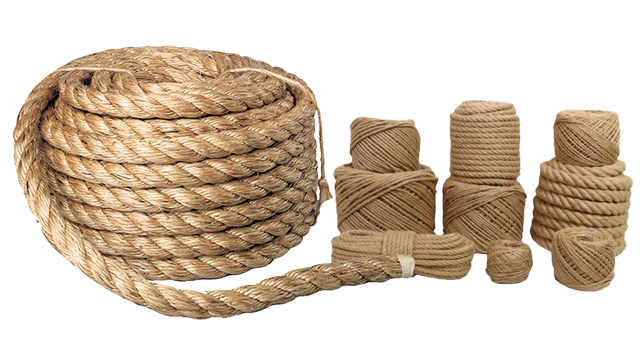
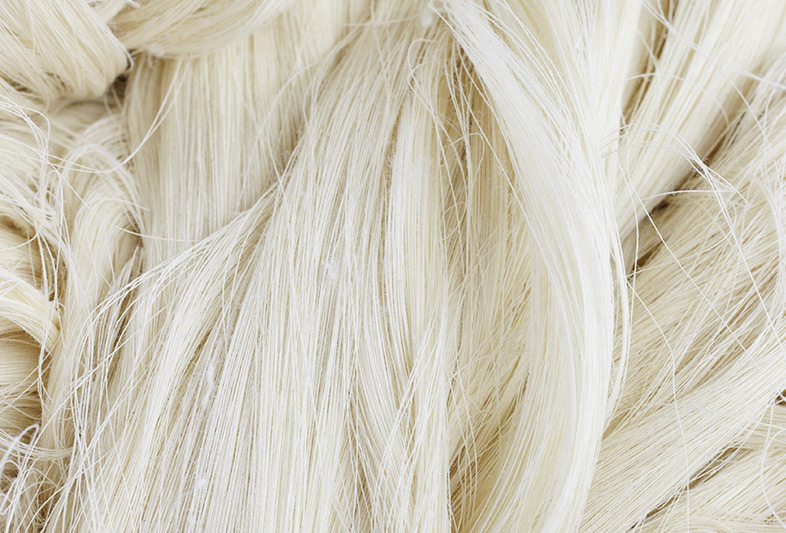
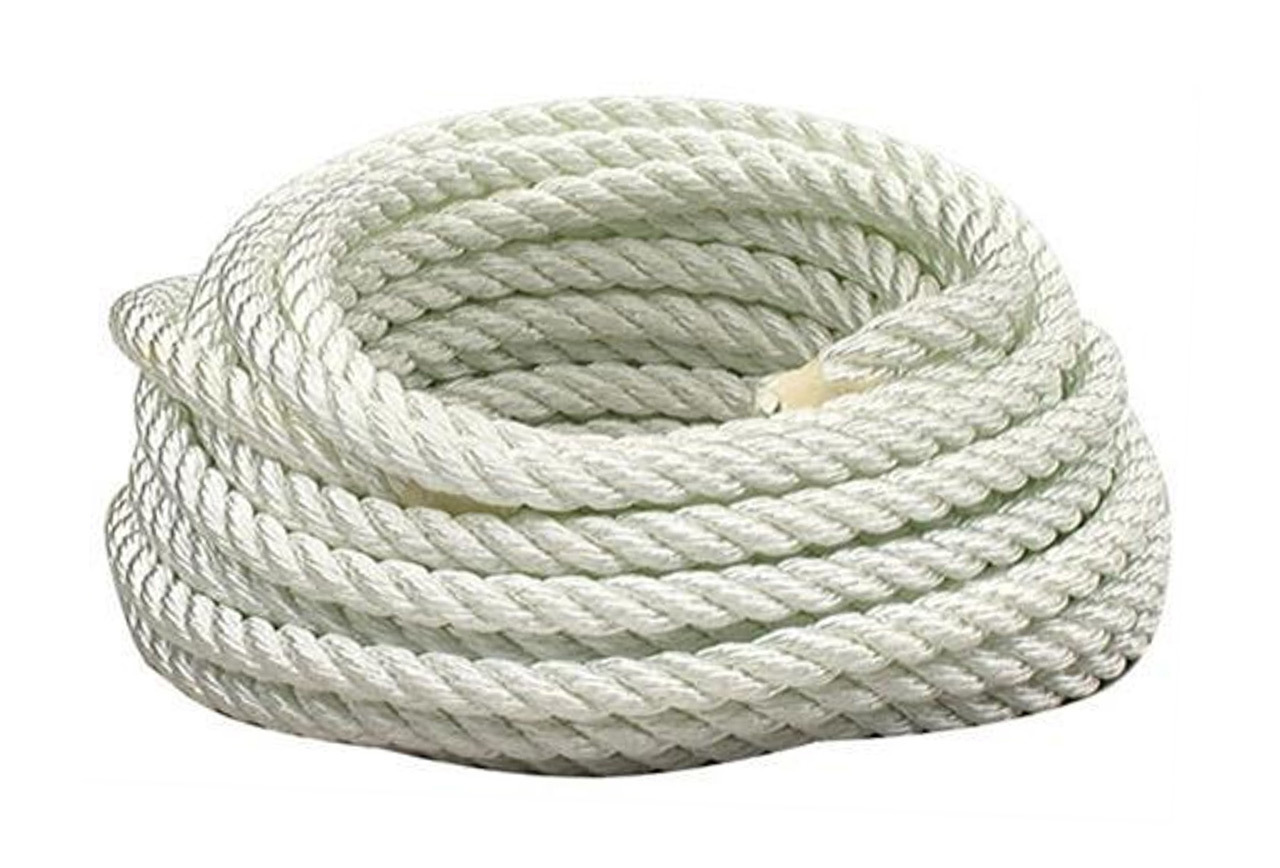
Bleached rope is natural or synthetic rope that has undergone a bleaching process to lighten color and remove organic impurities. Most commercial bleached rope is made from natural fibers like hemp, cotton, or manila, and the bleaching process also improves resistance to mildew and rot. In our manufacturing practice at Baoli Xing, we use food-grade hydrogen peroxide for natural bleaching, avoiding harsh chlorine-based chemicals that can harm users and the environment.
Q: What is the main difference between bleached and unbleached rope?
A: The core differences are color, purity, and durability. Unbleached rope retains the raw fiber’s natural tan color and residual plant compounds that attract mildew in damp conditions. 2026 industry testing shows properly bleached hemp rope lasts 15% longer than unbleached rope in humid outdoor environments.
How To Choose The Right Bleached Rope For Your Project
Follow this simple step-by-step process to pick the perfect bleached rope for your needs:
- Define your use case (indoor craft vs. outdoor marine/utility) to confirm required tensile strength
- Check for safety requirements, like food-grade bleaching for food handling applications
- Measure the required diameter and length to match the maximum load your rope will carry
- Source from a reputable manufacturer to verify quality and safety standards for your use case
Image Source: unsplash
Actual testing from our product team shows matching rope diameter to your load requirement extends the product lifespan by 30% compared to using an undersized rope.
Q: Is bleached rope safe for food contact?
A: It depends on the bleaching method. Reputable manufacturers like Baoli Xing use food-safe hydrogen peroxide bleaching that meets FDA and EU food contact standards, making it safe for applications like drying cured meats or bundling food products. Industry consensus confirms you should always check the manufacturer’s safety documentation before use.
Comparison of Common Bleached Rope Materials
Different natural fiber materials offer different benefits for bleached rope. Below is a 2026 data comparison of the most popular options:
| Material | Tensile Strength (1/2" diameter) | Average Outdoor Lifespan | Cost Per 100ft (2026 USD) |
|---|---|---|---|
| Bleached Hemp | 4,200 lbs | 3-5 years | $18-$22 |
| Bleached Cotton | 1,800 lbs | 1-2 years | $12-$16 |
| Bleached Manila | 3,600 lbs | 2-4 years | $16-$20 |
A 2025 Cordage Institute study found that properly bleached natural fiber rope has 12% higher tensile strength and 22% higher mildew resistance than unbleached rope of the same grade.
Q: Does bleaching weaken natural fiber rope?
A: Low-quality bleaching with harsh chemicals can weaken rope fibers over time, but controlled professional bleaching removes brittle organic impurities to improve overall strength. From 20+ years of manufacturing experience, properly processed bleached hemp rope has equal or better tensile strength than unbleached rope.
Caring For Bleached Rope To Extend Lifespan
In practice, simple care habits can double the lifespan of your bleached rope. For outdoor use, avoid leaving rope soaked in standing water for extended periods, and hang it to dry fully after each use. For indoor craft or decorative use, wipe clean with mild soap and water, and limit long-term direct sun exposure to prevent fading.
Q: Is bleached rope suitable for safety climbing?
A: Natural fiber bleached rope is not recommended for safety-focused climbing applications, as it lacks the shock absorption and wear resistance of modern synthetic climbing ropes. It is suitable for non-safety utility tasks like tying down cargo or anchoring small watercraft.
FAQ
Q: How long does bleached hemp rope last?
A: With proper care, quality bleached hemp rope lasts 3 to 5 years for regular outdoor use. For indoor decorative or craft use, it can last 10+ years without significant degradation or wear.
Q: Where can I buy high-quality bleached rope?
A: Baoli Xing (en.blxms.cn) manufactures premium food-safe bleached hemp rope in a wide range of diameters for industrial, craft, and marine use. All products are tested for tensile strength and safety to meet global quality standards.
Q: Is bleached rope eco-friendly?
A: When made from natural fiber like hemp and bleached with non-toxic methods, bleached rope is fully biodegradable and far more eco-friendly than synthetic rope alternatives. Always confirm the manufacturer uses non-toxic bleaching agents before purchasing.
Q: What is the strongest natural bleached rope?
A: Bleached hemp rope is the strongest common natural fiber bleached rope, with higher tensile strength and longer outdoor lifespan than bleached cotton or manila rope, per 2026 cordage industry data.
This article was generated by AI and is for reference only.
looking for hemp rope products manufacturers?
Service Hotline:
E-mail:
Address:
Tofu Shop Team of Disha Village, Mapo Town, Luchuan County, Yulin City, Guangxi Province
More news
Address: Tofu Shop Team, Disha Village, Mapo Town, Luchuan County, Yulin City, Guangxi Province
E-mail:1286979863@qq.com


