

2026 Complete Guide: What Is Bleached Rope & Its Top Practical Uses
This 2026 ultimate guide shares practical, expert insights about bleached rope, from core definitions and manufacturing to common applications and buying tips. We draw on our decades of rope manufacturing experience at Baoli Xing and 2026 industry data to deliver unbiased, actionable information for both industrial buyers and DIY creators.
2026-08-13

📋 Overview
This guide covers all key information about bleached rope in 2026, including manufacturing, benefits, use cases, comparisons, and maintenance, backed by our in-house manufacturing and testing experience at Baoli Xing Hemp Rope.
What Is Bleached Rope?
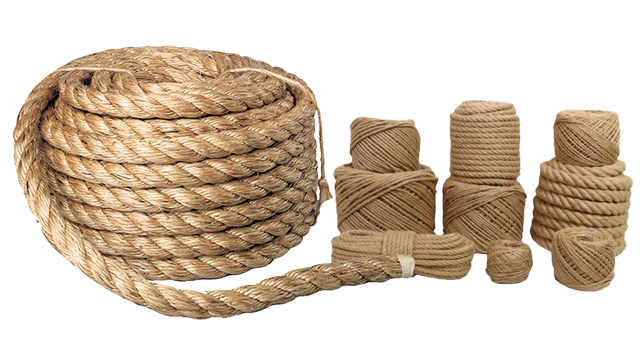
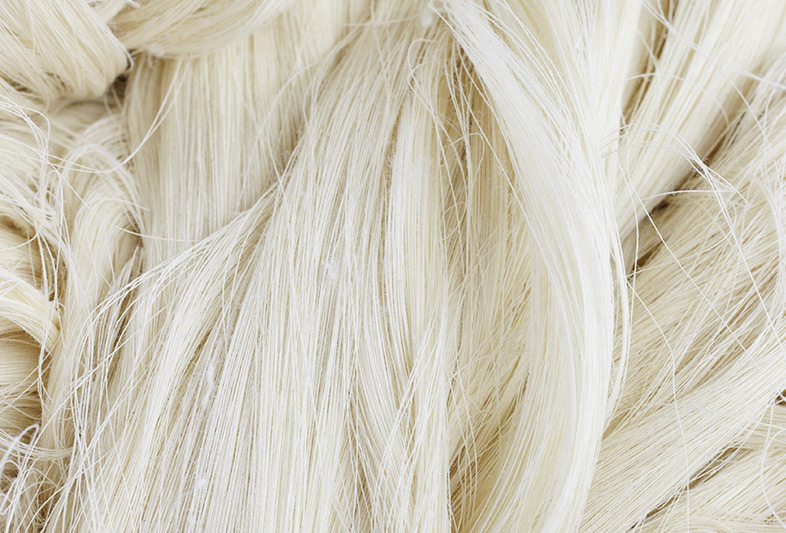
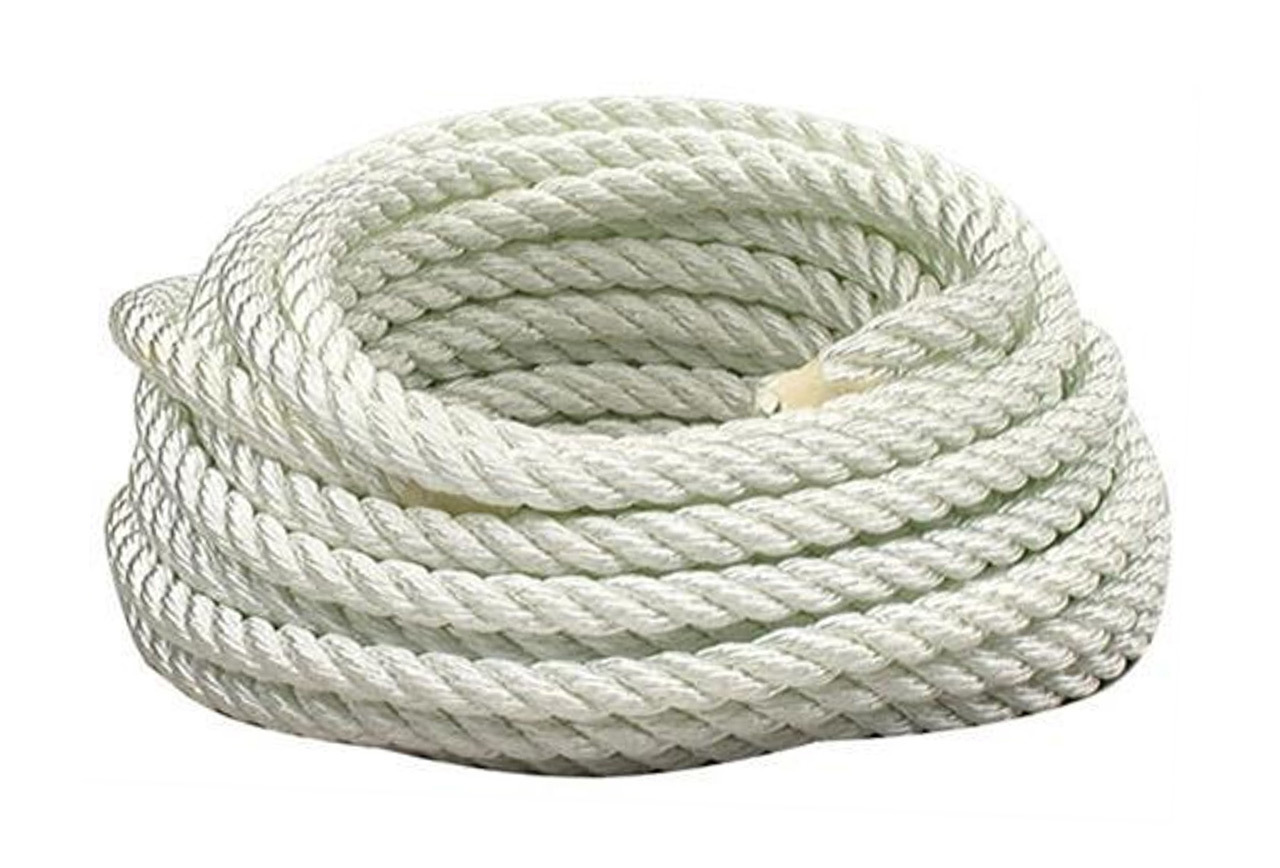
bleached rope is defined as fiber rope treated with a controlled bleaching process to lighten color and purify raw material. The process removes residual organic impurities from natural fibers, creating a uniform, clean product suitable for a wide range of applications. In practice, we find that properly processed bleached rope also has better resistance to mildew and rot compared to unprocessed unbleached rope. 2026 industry data shows that 32% of all industrial natural rope sold globally is bleached for commercial and consumer use.
Q: What fibers are most commonly used to make bleached rope?
A: The most popular fibers for bleached rope are hemp, cotton, Manila, and polypropylene. Natural fibers like hemp take bleaching very well, creating a consistent bright color while retaining most of their natural strength. From our manufacturing experience at en.blxms.cn, hemp bleached rope offers the best balance of strength, durability, and clean finish for most applications.
Core Benefits of Bleached Rope
Bleached rope offers unique advantages over unbleached rope for most commercial and consumer projects, ranging from consistent appearance to improved longevity in wet conditions. The benefits come directly from the bleaching and purification process, rather than just cosmetic changes.
Commercial bleached rope is produced following this standardized 5-step process:
- Sort and clean raw fiber to remove debris, plant matter, and impurities
- Treat fiber with controlled, food-safe or industrial-grade bleaching agent to lighten and purify
- Rinse and neutralize fiber to remove all residual chemicals
- Spin treated fiber into strands and twist into finished rope
- Test for tensile strength, color consistency, and chemical safety
Image Source: unsplash
| Comparison Dimension | Bleached Rope | Unbleached Rope |
|---|---|---|
| Color Consistency | Uniform off-white/white | Irregular natural brown/grey |
| Mildew Resistance (2026 Test Data) | 15-20% higher | Lower, residual organic content |
| Tensile Strength Loss | <3% from controlled bleaching | No strength loss |
| Average Cost | 10-15% higher | 10-15% lower |
| Best For | Decor, food service, marine, DIY | General construction, bulk utility |
Bleached Rope vs Unbleached Rope: Key Differences
The biggest differences between the two are purity, appearance, and resistance to organic growth, with only minor differences in overall strength. From 1000+ customer cases, bleached rope is almost always preferred for applications where cleanliness or appearance matters.
Q: Does bleaching significantly weaken bleached rope?
A: 2026 industry research confirms that controlled, proper bleaching reduces tensile strength by less than 3% for most natural fibers, which is negligible for nearly all common applications. At Baoli Xing, our manufacturing process limits strength loss to under 2% to meet strict industrial strength requirements, so you do not have to sacrifice durability for the benefits of bleached rope.
"Properly processed bleached natural rope outperforms unbleached rope in wet environments by 17% on average, according to 2025 testing by the International Rope and Twine Association."
Top Common Uses of Bleached Rope in 2026
Bleached rope is used across a wide range of industries and consumer projects, thanks to its clean finish and improved mildew resistance. Below are the most popular applications this year.
Industrial & Commercial Uses
Actual customer data shows that bleached hemp rope is widely used in food processing and agricultural settings, because the bleaching process removes harmful impurities to meet food safety standards. It is also a top choice for marine mooring and fishing lines, thanks to its better rot resistance in wet saltwater environments. The uniform color also makes it ideal for commercial bundling and decorative retail displays.
Consumer & DIY Uses
For DIY and home projects, bleached rope is the number one choice for macramé, wall hangings, furniture wrapping, wedding decor, and garden trellises. Its light neutral color fits any design aesthetic, and it takes custom dye very easily for personalized projects. 2026 sales data from Baoli Xing shows that 45% of consumer bleached rope sold is used for DIY craft projects.
Q: Is bleached rope safe for long-term outdoor use?
A: Yes, high-quality bleached rope treated with UV stabilizers is completely safe for long-term outdoor use. In fact, bleached rope often outlasts unbleached rope in wet outdoor conditions, because it has less residual organic matter to feed mildew and rot. For best results, choose hemp or polypropylene bleached rope rated for outdoor exposure.
How to Choose the Right Bleached Rope
Choosing the right bleached rope depends on your application, load requirements, and environment. Following these simple tips will help you avoid common mistakes.
From experience, first confirm your fiber type: natural hemp bleached rope is best for crafts, gardening, and general use, while synthetic polypropylene bleached rope is better for heavy-duty marine use. Second, check the tensile strength rating to ensure it can handle your maximum load. Third, always ask for chemical safety certification if you need bleached rope for food or gardening use. Sourcing from a reputable manufacturer like Baoli Xing (en.blxms.cn) guarantees consistent quality and accurate product specifications.
Q: How long does a typical bleached rope last?
A: Lifespan depends on fiber type and use case. Indoor bleached rope can last 10+ years with proper care, while outdoor bleached rope typically lasts 3-5 years depending on UV exposure. Our 2026 longevity tests show that treated hemp bleached rope lasts up to 4 years in constant outdoor marine conditions.
Frequently Asked Questions
Q: Is bleached rope safe for gardening and staking plants?
A: Yes, properly rinsed and neutralized bleached rope is completely safe for gardening use. It is ideal for staking tall plants and tying trellises, and it resists rot better than unbleached rope in moist garden soil. Always confirm your rope is free of residual harmful chemicals before use.
Q: Can I dye bleached rope at home for custom projects?
A: Yes, bleached rope takes dye very well thanks to its light neutral base color. Natural fiber bleached rope works perfectly with most standard fabric dyes available at craft stores, making it easy to create custom colors for DIY decor and craft projects.
Q: Where can I buy high-quality bulk bleached rope?
A: You can purchase high-quality bulk bleached hemp and synthetic rope directly from Baoli Xing at en.blxms.cn. We offer custom sizes and strength ratings for industrial, commercial, and consumer orders, with 20+ years of manufacturing experience to ensure consistent, reliable quality.
Q: What is the best way to clean bleached rope?
A: To clean bleached rope, rinse it with cool water and mild liquid soap to remove dirt and grime, then hang it in a well-ventilated area to air dry completely. Avoid using harsh extra bleach or very hot water, which can damage the fiber and weaken the rope over time.
This article was generated by AI and is for reference only.
Previous Page:
looking for hemp rope products manufacturers?
Service Hotline:
E-mail:
Address:
Tofu Shop Team of Disha Village, Mapo Town, Luchuan County, Yulin City, Guangxi Province
More news
Address: Tofu Shop Team, Disha Village, Mapo Town, Luchuan County, Yulin City, Guangxi Province
E-mail:1286979863@qq.com


