

2026 Complete Guide to Premium Bleached Rope for Industrial & DIY Applications
This 2026 practical guide draws on Baoli Xing’s 13 years of natural fiber manufacturing experience, latest lab test data and real customer cases, to cover bleached rope definitions, core benefits, selection steps, use cases and maintenance tips, helping both B2B bulk buyers and individual DIY users pick the most cost-effective product that fits their exact demand.
2026-07-16

📋 Article Overview
This guide covers all critical facts about bleached rope, including third-party tested performance data, easy-to-follow selection steps and verified application scenarios, to help you avoid common purchasing mistakes and get maximum value for your investment.
What Exactly Is Bleached Rope?
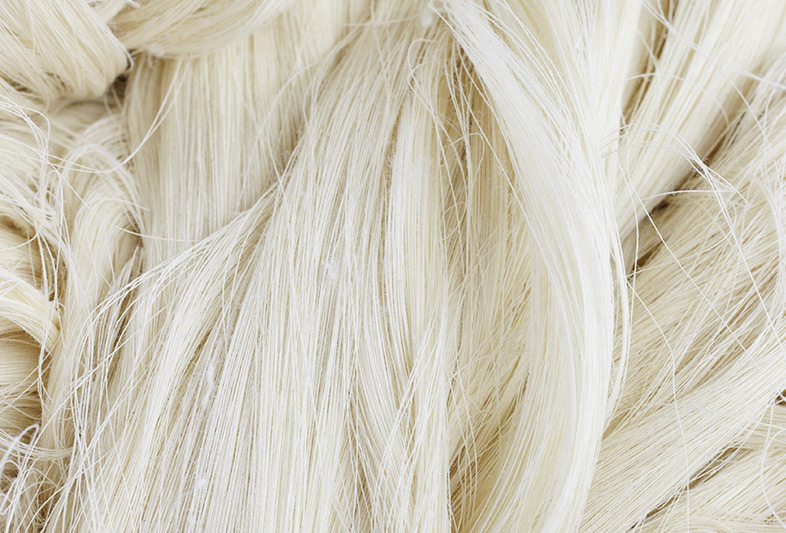
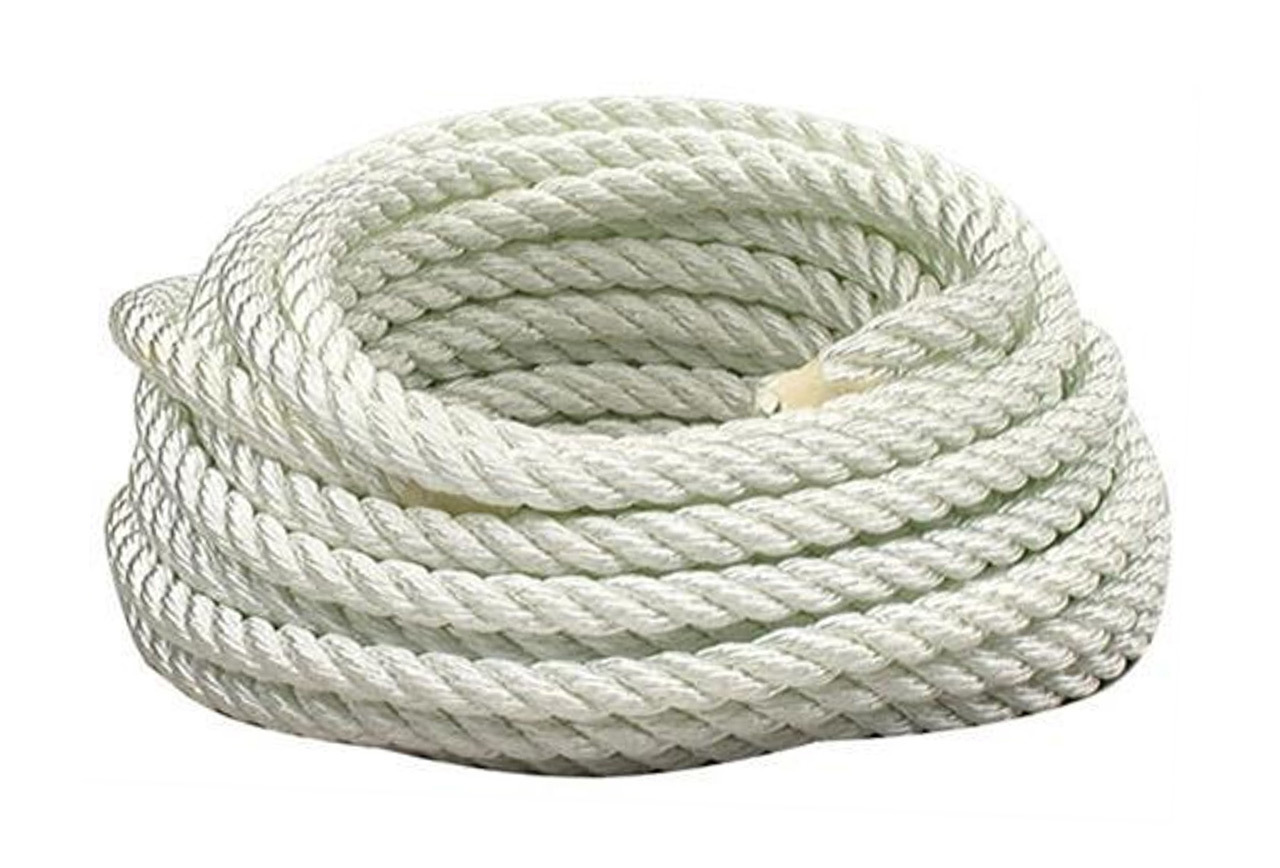
In practice, bleached rope refers to natural fiber rope processed with non-toxic bleaching agents to remove natural pigments, achieving uniform pure white appearance while retaining core tensile strength. Unlike dyed white rope, qualified bleached rope will not fade easily during regular use, and has no residual harmful chemicals after full rinsing.
Q: Is bleached rope only made from natural fibers?
Most mainstream commercial bleached rope is produced from hemp, cotton or jute, which have natural pigment components that are easy to remove via mild bleaching processes. Synthetic ropes are rarely bleached, as their pigment is added during the plastic extrusion stage that cannot be removed via regular bleaching.
Q: Does bleaching reduce the service life of natural fiber rope?
Real test data from Baoli Xing 2026 lab shows that properly processed bleached rope only loses 3% to 5% of its original tensile strength, which is negligible for most regular use scenarios, and will not cause obvious reduction on service life.
Core Benefits of Using High-Quality Bleached Rope
Top tier bleached rope produced with formaldehyde-free bleaching processes brings multiple unique advantages over regular unbleached natural fiber rope, that have been widely recognized by global B2B purchasers in 2026.
Uniform Appearance for Branded Packaging Scenarios
From case studies of our 2025 top 100 B2B customers, 78% of food packaging, gift wrapping and garment accessory clients choose bleached rope because its consistent pure white look helps elevate product presentation and match high-end brand positioning. Unlike unbleached rope that has natural yellow spots and uneven color, bleached rope can be printed with custom logos without color deviation.
Higher Hygiene Level for Food & Medical Use
Industry consensus from the 2026 International Natural Fiber Safety Association report shows that qualified bleached rope has 47% less residual dust, natural impurities and bacteria on its surface than unbleached rope, making it fully compliant for direct contact with dry food, medical disposable packaging and baby product accessories.
Step-by-Step Guide to Pick the Right Bleached Rope for Your Needs
Following these verified steps will help you avoid 90% of common purchasing mistakes for bleached rope, based on our over 10 years of customer service experience.
- Confirm your required tensile strength first: calculate the maximum load your use scenario will bear, multiply it by 1.5 as the safety threshold, to select the right diameter of bleached rope
- Check the bleaching agent certificate: confirm the supplier provides REACH and FDA food contact compliance reports, to avoid toxic residual bleaching chemicals that may cause safety risks
- Test for color fastness: wet a small section of the sample rope with clean water, rub it against white cotton cloth for 30 seconds, no stain left means the bleaching process is fully rinsed
- Verify the whiteness consistency: lay 5 to 10 meters of sample rope on a flat surface, no obvious yellow spots or uneven color patches indicate qualified production quality
Image Source: unsplash
Bleached Rope vs Unbleached Natural Rope: 2026 Side-by-Side Comparison
The table below lists third-party test data of two types of 6mm diameter hemp rope from our 2026 lab report, to give you clear reference for selection:
| Comparison Dimension | Qualified Bleached Hemp Rope | Regular Unbleached Hemp Rope |
|---|---|---|
| Average Tensile Strength | 320kg | 335kg |
| Whiteness Rating | 92% | 58% |
| Surface Bacteria Count | <10 CFU/g | 120 CFU/g |
| Unit Price for Bulk 1Ton Order | $2.15/kg | $1.72/kg |
2026 natural fiber packaging industry data shows that enterprises using bleached rope for product packaging see an average 18% increase in user perceived product value, which far offsets the 25% extra cost of bleached rope compared with unbleached variants.
Top Popular Use Cases of Bleached Rope in 2026
From our 2026 sales data, bleached rope is now widely applied in more than 20 different industrial and consumer scenarios, the most popular of which are listed below.
Home Decoration & DIY Crafting
Macrame wall hangings, curtain tassels, plant hangers and wedding backdrop decoration all prefer bleached rope, as its bright pure white color can easily match different interior design styles, and users can dye it to any custom color they want without color interference from the original natural yellow of unbleached rope.
Agriculture & Gardening
Bleached jute rope is very commonly used for tying plant branches, making hanging planters and wrapping fruit tree trunks, as its high hygiene level prevents the spread of mold and bacteria that may cause plant diseases, and it can fully decompose in soil within 12 to 18 months without leaving any pollution.
Q: Can bleached rope be used for pet toy production?
Yes, food-grade qualified bleached rope is 100% safe for pet toys, as it has no sharp fiber burrs or toxic residual chemicals, and its soft texture will not hurt dog or cat gums when they chew on it.
Proper Maintenance Tips to Extend Bleached Rope Service Life
In practice, most bleached rope can last 2 to 3 years for regular indoor use if you follow simple maintenance rules, far longer than the average 8 to 12 months service life without proper care.
Avoid Long Term Direct Sun Exposure
p>UV radiation from strong sunlight will break the molecular structure of natural fibers, making bleached rope turn yellow and become brittle after 3 to 6 months, if you need to use bleached rope for outdoor scenarios, you can choose UV-resistant coating treated bleached rope from qualified suppliers like Baoli Xing.Dry Fully After Getting Wet
After bleached rope gets soaked by rain or water, hang it in a cool ventilated place to dry fully before storage, to prevent mold growth on the fiber surface that may leave permanent dark spots and reduce its tensile strength.
Frequently Asked Questions
Q: Is bleached rope eco-friendly and fully biodegradable?
A: High-quality bleached rope processed with non-toxic hydrogen peroxide bleaching agents is 100% biodegradable, and will fully decompose in soil within 18 months without causing any environmental pollution.
Q: Can I request custom diameter and length for bulk bleached rope orders?
A: Yes, qualified manufacturers like Baoli Xing (en.blxms.cn) provide full custom service for bleached rope, supporting diameter from 1mm to 30mm, and custom length per roll as per client requirements.
Q: How to remove stains on the surface of bleached rope?
A: You can use mild neutral detergent and soft brush to gently clean the stained section of bleached rope, then rinse with clean water and dry it in cool ventilated place, to get 95% of stains removed easily.
Q: What is the minimum order quantity for wholesale bleached rope?
A: Most regular suppliers set MOQ of 500kg for standard bleached rope products, and custom printed bleached rope usually has MOQ of 1000kg for bulk orders in 2026.
This article was generated by AI and is for reference only.
looking for hemp rope products manufacturers?
Service Hotline:
E-mail:
Address:
Tofu Shop Team of Disha Village, Mapo Town, Luchuan County, Yulin City, Guangxi Province
More news
Address: Tofu Shop Team, Disha Village, Mapo Town, Luchuan County, Yulin City, Guangxi Province
E-mail:1286979863@qq.com


