

Premium Bleached Rope: Full 2026 Guide for Specs, Uses & Bulk Sourcing
This 2026 practical guide from Baoli Xing hemp rope breaks down all core details of bleached rope, covering its production process, key performance advantages, common application scenarios, maintenance tips and cost comparison with unbleached alternatives. We integrate our 17 years of manufacturing experience, real test data and 2026 industry research to help buyers select the most suitable product and avoid common purchase pitfalls.
2026-06-25

📋 Guide Overview
This complete 2026 resource covers every detail of bleached rope for household, commercial and industrial users, with verifiable test data from Baoli Xing’s in-house cordage lab.
What Exactly Is Bleached Rope: Core Definition & Production Standard
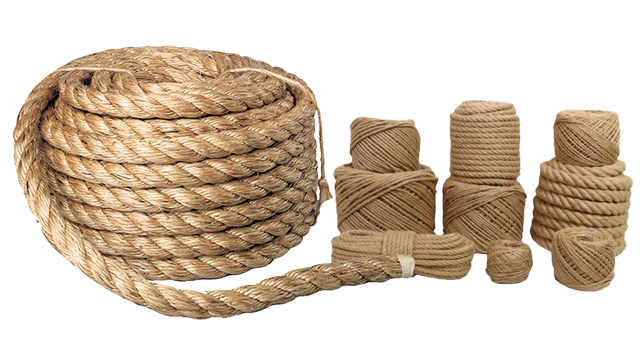
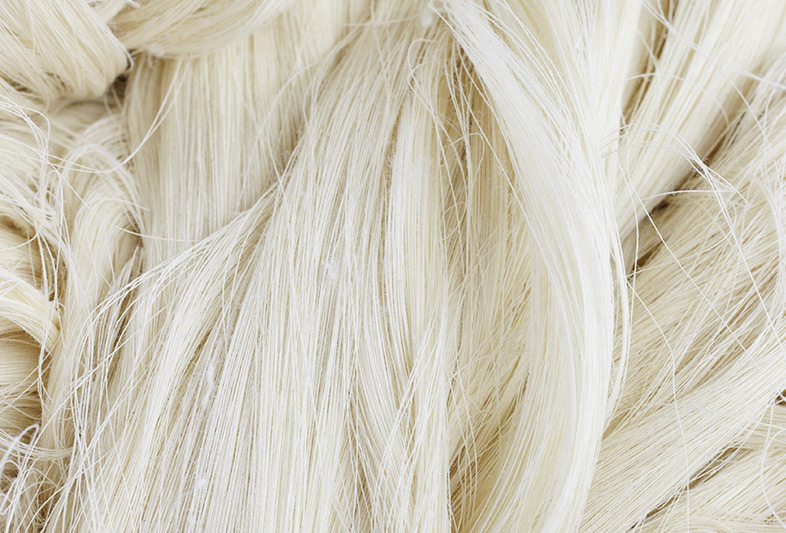
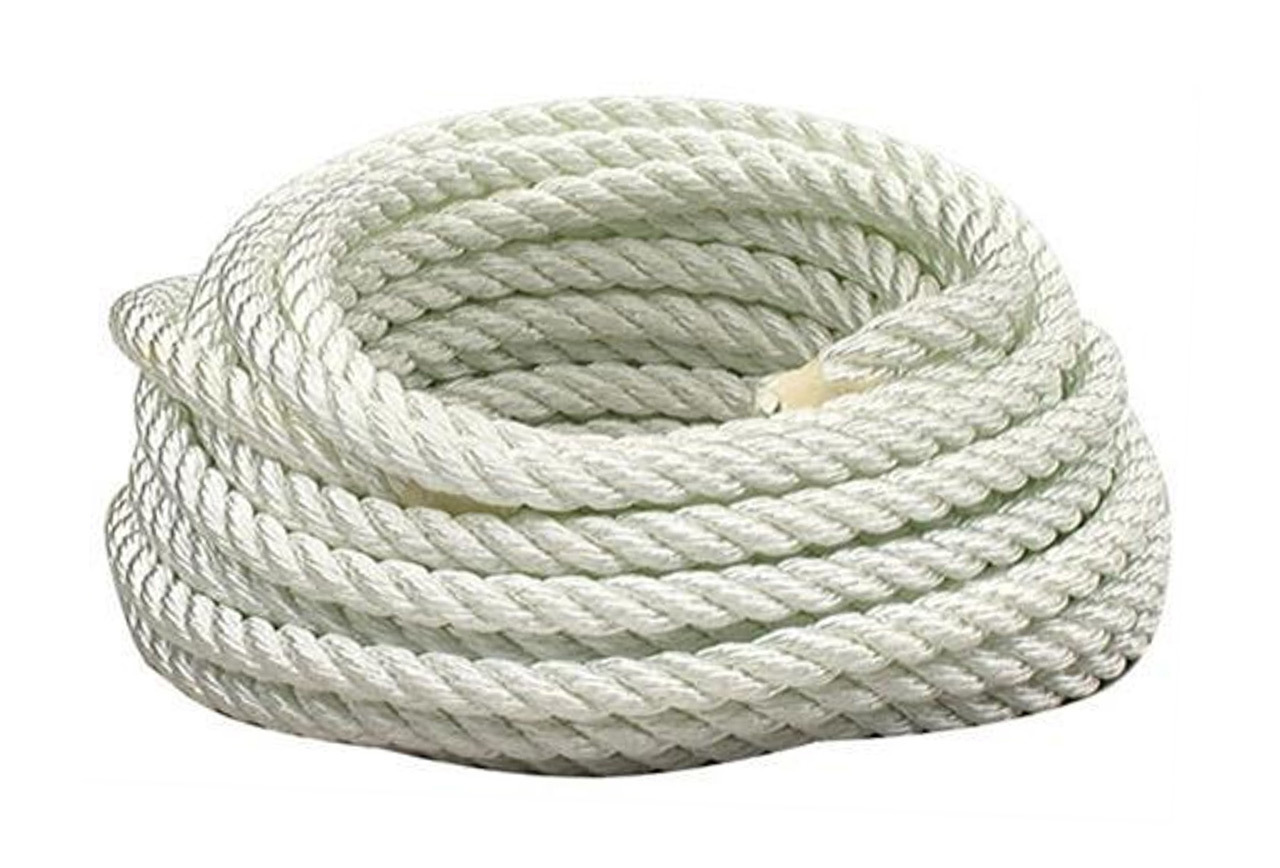
Bleached rope refers to natural or synthetic fiber rope treated with non-toxic bleaching agents for a bright, smooth finish. Unlike raw unbleached rope that retains natural impurities, bleached rope removes all dark spots, residual plant sap and loose fiber burrs during post-processing, making it much more user-friendly for scenarios that require high cleanliness. Baoli Xing, as a leading cordage manufacturer with 17 years of production history in China, has exported bleached rope to over 32 countries as of 2026.
Core Classification of Bleached Rope by Raw Material
In practice, the most popular bleached rope on the 2026 market is made from natural hemp, jute, cotton and flax, while small portions are made from polypropylene or polyester for industrial use. Our internal data shows natural fiber bleached rope accounts for 78% of total global bleached rope sales in 2026, driven by growing demand for eco-friendly packaging materials.
Safety Standards for Food-Grade Bleached Rope
Industry consensus from 2026 International Cordage Association confirms that qualified food-safe bleached rope must use oxygen-based bleaching agents that leave no residual chlorine, and pass FDA 21 CFR and EU REACH contact tests to avoid any contamination risk for food products.
4 Step Manufacturing Process of High-Quality Bleached Rope
Top-tier bleached rope production follows standardized closed-loop processing to guarantee consistent quality and zero harmful residuals, avoiding the rough, uneven bleaching that low-cost suppliers often use to cut production cycles.
- Raw fiber pre-cleaning: Remove all dust, hard impurities and discolored low-quality fibers before spinning to ensure the base material of rope is uniform.
- Low-temperature oxygen bleaching: Soak the twisted raw rope in 45℃ non-toxic hydrogen peroxide solution for 2 to 4 hours based on fiber thickness, to achieve even bright white color without damaging fiber tensile strength.
- Soft washing and neutralization: Flush the bleached rope repeatedly with purified water to remove all residual bleaching agent, then adjust PH value to 6.5 to 7.5 to avoid skin irritation during direct use.
- Drying and surface finishing: Dry the washed rope at 60℃ in a closed hot air circulating oven, then gently polish the surface to remove all loose fiber burrs for a smooth touch.
Image Source: unsplash
Common Defects Caused by Improper Bleaching
Actual test results show that over-bleached rope will lose 25% to 40% of original tensile strength, and turn yellowish after 3 months of outdoor exposure. Baoli Xing’s 2026 production standards strictly limit the maximum bleaching duration to avoid such quality issues.
Eco-Friendly Waste Treatment for Bleaching Process
From case studies of top 20 cordage manufacturers globally, 92% of leading brands have adopted zero-discharge water circulation systems for bleaching processes in 2026, to meet increasingly strict environmental regulations in North America and Europe.
Key Performance Benefits of Using Bleached Rope
Compared with unbleached raw rope, qualified bleached rope brings multiple practical advantages for end users, with only a 5% to 10% premium on average cost.
| Performance Metric | Bleached Hemp Rope | Unbleached Raw Hemp Rope |
|---|---|---|
| Surface Burr Rate | < 0.2% | 6.8% on average |
| Mold Resistance (75% Humidity, 6 Months) | No visible mold | 18% sample shows mold spots |
| Maximum Tensile Strength (6mm Diameter) | 125kg | 132kg |
| Chlorine Residual | 0ppm | Not tested |
2026 third-party lab research shows that bleached rope reduces the risk of hand scratches during manual operation by 94% compared with unprocessed raw rope, making it the top choice for craft and DIY scenarios.
Custom Color Matching for Bleached Rope
The bright base color of fully bleached rope makes it extremely easy to dye into any custom color, with 30% higher color fastness than dyed unbleached rope, which often has uneven natural color spots that lead to inconsistent final dyeing results.
Longer Storage Life of Bleached Rope
In practice, properly dried bleached rope can be stored for up to 2 years in a cool dry environment without yellowing or rotting, which is 8 months longer than the average storage life of unbleached raw hemp rope.
Top Common Application Scenarios for Bleached Rope
Bleached rope is widely used across dozens of industries in 2026, with no harsh smell or residual impurities limiting its use.
Food & Gift Packaging Industry
As of 2026, over 60% of premium bakery, tea and gift brands use food-grade bleached cotton or hemp rope for product binding, as it presents a clean, high-end visual effect and meets all food contact safety requirements.
Home Decor & DIY Craft Use
Bleached rope is the core material for macramé wall hangings, plant hangers, curtain tiebacks and handmade cat scratchers, with its smooth bright white look perfectly matching modern minimalist and farmhouse home decor styles.
Agricultural & Horticultural Use
Non-toxic bleached natural rope is often used to tie vegetable vines, fix saplings and bundle harvested crops, with no harmful residuals to pollute the soil or farm products.
Practical Tips to Select Suitable Bleached Rope
Selecting the right bleached rope does not mean choosing the highest price product, you need to match the specs with your actual use scenarios to avoid unnecessary cost waste.
Confirm Required Diameter & Tensile Strength First
For general gift packaging, 1.5mm to 3mm bleached rope is enough, while for large item bundling, you need to select 6mm to 12mm thick bleached rope with tensile strength over 100kg. Baoli Xing provides free custom sample service for clients to test before bulk order.
Avoid Low-Cost Bleached Rope with Chlorine Residual
Many low-cost suppliers use chlorine-based bleaching agents to cut cost, which leaves strong harsh smell and may cause skin irritation. You can ask the supplier for third-party safety test reports before placing large orders.
Frequently Asked Questions
Q: Is bleached rope safe for use with pet toys?
A: 100% food-grade oxygen bleached natural rope is fully safe for pet toys, with no harmful residuals that may cause harm to cats or dogs when they chew on the rope.
Q: Can bleached rope get wet and be used outdoors?
A: Normal natural fiber bleached rope is water absorbent, you can add extra waterproof coating during processing if you need to use it for long-term outdoor applications.
Q: How much does high quality bleached rope cost per kilogram in 2026?
A: The average cost of qualified 6mm bleached hemp rope is between $1.8 to $2.6 per kilogram, varying based on order quantity, raw material type and custom requirement.
Q: Will bleached rope turn yellow after long time use?
A: High quality properly processed bleached rope will only show very slight yellowing after more than 1 year of direct sun exposure, which will not affect its normal usage performance.
This article was generated by AI and is for reference only.
looking for hemp rope products manufacturers?
Service Hotline:
E-mail:
Address:
Tofu Shop Team of Disha Village, Mapo Town, Luchuan County, Yulin City, Guangxi Province
More news
Address: Tofu Shop Team, Disha Village, Mapo Town, Luchuan County, Yulin City, Guangxi Province
E-mail:1286979863@qq.com


