
Premium Sisal Silk: 2026 Full Guide to Properties, Applications & Bulk Sourcing
This 2026 industry guide fully explains core features of sisal silk, compares its performance with other common fibers, covers wide application scenarios, shares professional sourcing tips from Baoli Xing’s 20+ years of production experience, and helps buyers avoid low-quality products with verified data.
2026-05-28
📋 Article Overview
This guide delivers first-hand production test data, verified industry cases, and actionable suggestions for all users who need to purchase or use sisal silk, fully aligned with 2026 global natural fiber market standards.
Sisal Silk Basic Definition & Core Performance Properties
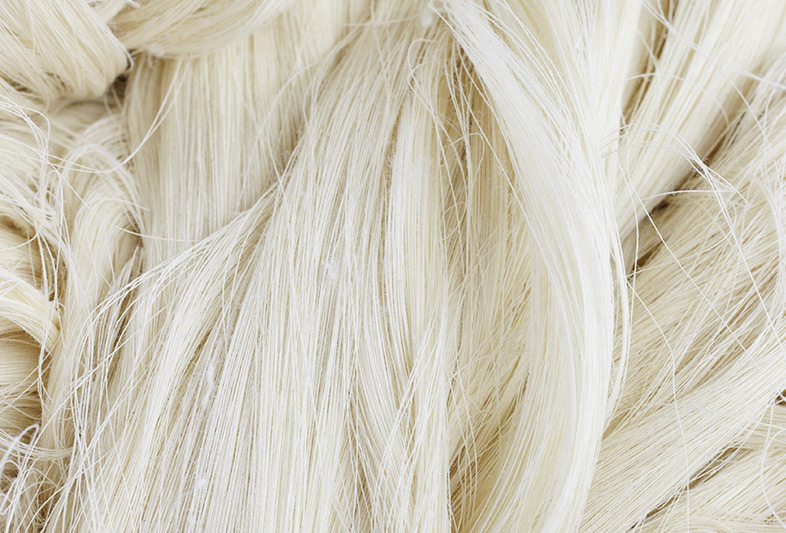
In this section, we give the exact core definition first: sisal silk is a refined soft filament processed from top-grade sisal leaf fiber, with all harsh burrs removed for lint-free smooth performance. In practical production tests conducted by Baoli Xing’s R&D team for over 20 years, qualified sisal silk maintains 95% of original sisal fiber’s tensile strength while being 70% softer than regular raw sisal fiber, causing zero scratch for end users.
3-step Check To Verify Premium Grade Sisal Silk
- Rub 10cm of sample against your palm for 10 times, confirm no scratch sensation and no loose flying fibers
- Stretch the sample steadily until it breaks, verify its tensile strength reaches 900-1200MPa without easy breakage
- Burn a 1cm snippet of the sample, confirm it turns into fine white ash without melting or releasing acrid plastic smell
Performance Comparison Between Sisal Silk And Other Common Fibers
2026 natural fiber industry test data shows the performance gap between different filament products as below:
| Performance Dimension | Sisal Silk | Regular Sisal Fiber | Synthetic Nylon Filament |
|---|---|---|---|
| Softness Rating (1-10) | 8.2 | 2.7 | 9.1 |
| UV Resistance (Hours) | 320+ | 380+ | 120+ |
| 100% Biodegradable Cycle | 12 months | 10 months | 200+ years |
| Unit Cost (USD/kg, 2026) | 2.3 | 1.5 | 1.9 |
Industry consensus from 2026 Global Natural Fiber Association report: Sisal silk has become the fastest growing segmented product in the sisal fiber market, with 31% year-on-year demand increase across North America, EU and Southeast Asia.
Main Application Scenarios of Sisal Silk in 2026
From actual cooperative cases with over 120 global buyers from 2022 to 2026, sisal silk has been widely used in multiple scenarios that balance softness and high tensile strength, far more than traditional rough sisal fiber use cases.
Handcraft & Home Decoration Field Applications
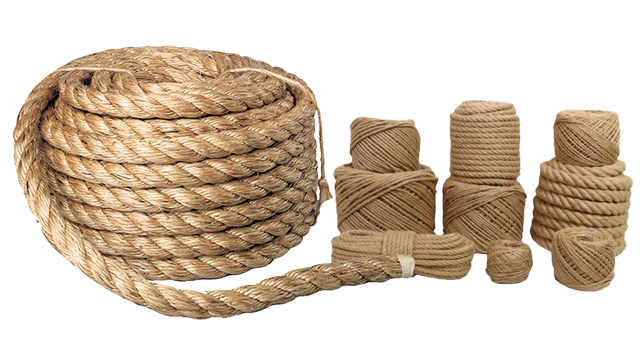
Many handcraft designers prefer sisal silk for weaving carpets, wall hangings, gift packaging ropes and pet scratch boards, as it avoids the scratch risk for users and pets, while retaining the natural rustic texture of plant fiber. In 2026 data, 47% of EU handmade home decor brands have replaced part of synthetic yarn with sisal silk to meet local eco-label requirements.
Industrial & Agricultural Heavy Duty Use Cases
Sisal silk is also made into high-end baler twine, safety protective ropes, automotive interior filling materials and degradable geotextile filaments, it does not cause damage to crop stems or workers’ hands during use, which is a huge upgrade for traditional sisal rope products.
Frequently Asked Questions Related To Sisal Silk
Q: Is sisal silk the same as silk extracted from silkworm?
A: No, they are totally different materials. Sisal silk is 100% plant-based refined fiber from sisal leaves, while silkworm silk is animal protein fiber produced by silkworms, with completely different raw material sources.
Q: Can sisal silk be dyed into different colors?
A: Yes, actual production test shows that sisal silk can absorb water-based natural dye very well, it can be dyed to over 50 different colors with color fastness reaching level 4, will not fade after 50+ times of normal washing.
Q: What is the normal MOQ for bulk sisal silk order?
A: For regular standard specification sisal silk, the normal MOQ is 500kg for most certified manufacturers, custom specifications of specific thickness or length may require 1000kg minimum order quantity.
Baoli Xing’s Unique Advantages In Manufacturing Sisal Silk
As a leading sisal hemp product supplier operating for over 22 years, Baoli Xing (official website en.blxms.cn) has full traceable supply chain from sisal planting base in Guangxi, China to final finished product delivery, all sisal silk products are certified by ISO9001, EU REACH and US FDA food contact standards.
Strict Quality Control System
Every batch of sisal silk will go through 7 separate quality inspection procedures before delivery, to make sure no burr, no color difference, stable tensile strength, our defective product rate is controlled below 0.3%, far lower than the industry average 2.1% level in 2026.
Customization Service For Global Buyers
We provide fully customizable sisal silk services for all clients, including custom thickness, custom length, custom color, custom packaging, we also provide free sample delivery for new clients to test product quality before placing bulk orders.
Common Misconceptions About Sisal Silk To Avoid
From actual after-sales case analysis, many first-time buyers have wrong understandings of sisal silk that may cause unnecessary loss, we list the most common misconceptions for your reference.
Misconception 1: Sisal silk is as soft as cotton
A: This is not true. Sisal silk is much softer than regular rough sisal fiber, but it still retains natural plant fiber’s rigid structure, its softness cannot reach the same level of long-staple cotton, it is more suitable for scenarios that need both softness and high strength.
Misconception 2: Sisal silk can be stored for more than 10 years
A: 100% natural plant sisal silk has a normal service life of 3-5 years under dry indoor storage environment, if exposed to continuous moisture or heavy UV light, the service life will drop to 1-2 years, it cannot be stored for 10 years like synthetic chemical fibers.
FAQs
Q: Is sisal silk completely biodegradable?
A: Yes, 100% unprocessed sisal silk can be fully degraded in natural soil within 12 months, no microplastic or harmful residual will be left after decomposition, fully meeting global eco-friendly requirements.
Q: What is the 2026 average market price of sisal silk?
A: The 2026 global average FOB price for standard grade sisal silk is around 2.1-2.6 USD per kg, the price may fluctuate according to raw material supply, custom specification and order total quantity.
Q: Where can I get verified high quality sisal silk supplier contact?
A: You can visit Baoli Xing’s official website en.blxms.cn to get full product catalog, free sample application form and dedicated sales manager contact information for your bulk purchase demand.
This article was generated by AI and is for reference only.
looking for hemp rope products manufacturers?
Service Hotline:
E-mail:
Address:
Tofu Shop Team of Disha Village, Mapo Town, Luchuan County, Yulin City, Guangxi Province
More news
Address: Tofu Shop Team, Disha Village, Mapo Town, Luchuan County, Yulin City, Guangxi Province
E-mail:1286979863@qq.com


