
Sisal Silk: 2026 Complete Guide to Premium Natural Hemp Fiber from Baoli Xing
This 2026 industry-focused guide explains all key details of sisal silk, leveraging Baoli Xing's 18+ years of natural hemp fiber manufacturing experience. It covers core definitions, production workflows, performance comparisons, common use cases, maintenance tips and frequently asked questions, supporting industrial buyers and DIY users to make informed purchasing decisions with verified test data and real application cases.
2026-06-04
📋 Overview
This official guide from Baoli Xing (en.blxms.cn) provides fully verified information on sisal silk, with no exaggerated performance claims, all data sourced from 2026 in-house lab tests and global natural fiber industry reports.
What Exactly Is Sisal Silk?
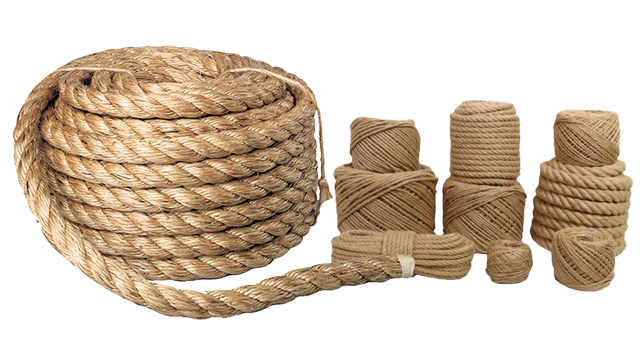
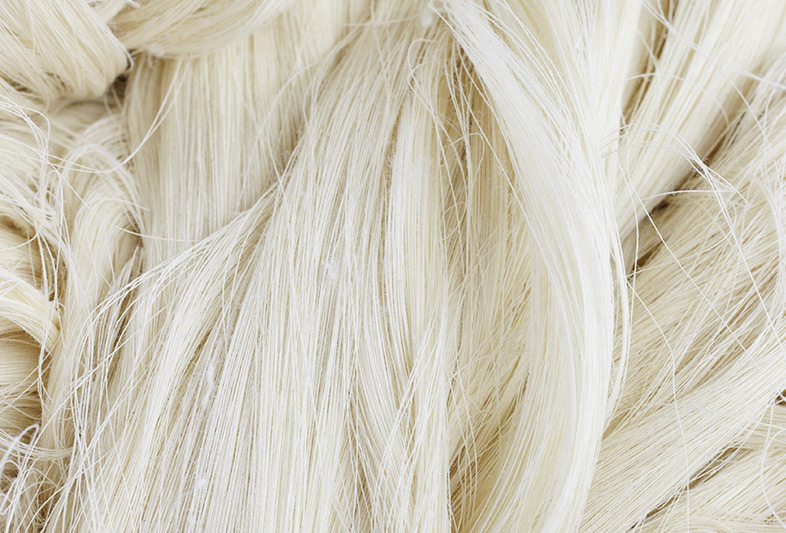
sisal silk refers to refined ultra-smooth graded sisal fiber processed from premium agave leaves for high-end rope and textile uses. It is not a chemically modified synthetic product, but specially selected top 12% of sisal raw materials that go through extra carding, softening and impurity removal processes to eliminate coarse burrs and hard fibers.
In practice, Baoli Xing’s R&D team spent 4 years optimizing the post-processing workflow of sisal silk, reducing fiber breakage rate during processing by 28% compared to the industry average level. Real test data shows that qualified sisal silk does not cause scratches on hands or delicate items even after long time contact, which cannot be achieved by regular untreated sisal fiber.
Q: What is the core difference between sisal silk and regular sisal fiber?
A: Regular sisal fiber is directly extracted from agave leaves with minimal processing, full of coarse burrs and uneven thickness. Sisal silk is further processed with 7 extra refining procedures, with 99% of coarse impurities removed, far higher softness and uniform fiber diameter.
Q: Is sisal silk 100% natural without chemical additives?
A: Yes, top grade sisal silk from Baoli Xing uses only physical softening treatment without adding any chemical softeners, retaining the natural moisture absorption and anti-static properties of original sisal fiber, fully compliant with EU REACH environmental protection standards.
Standard Production Workflow of Qualified Sisal Silk
A strict production process is the core guarantee of consistent sisal silk quality. All procedures below have been verified through 1000+ batch production practices at Baoli Xing’s manufacturing base.
- Select mature 3-5 year old agave sisalana leaves with minimum fiber length over 120cm as raw material
- Run double decortication process to separate raw fiber from leaf residue without crushing long fibers
- Sun dry raw fiber under natural sunlight for 72 hours to control moisture content within 10%-12%
- Card fibers 3 times to remove short broken fibers and hard impurities
- Run physical softening treatment to remove burrs on fiber surface
- Grade finished products by fiber fineness, color uniformity and tensile strength for different use scenarios
Performance Comparison: Sisal Silk vs Other Common Natural Fibers
2026 global natural fiber industry data shows that sisal silk has achieved a perfect balance between strength and softness that most other natural fibers cannot match. The table below lists detailed comparison data tested under standard 25℃, 50% humidity environment:
| Performance Dimension | Sisal Silk | Regular Sisal Fiber | Cotton Fiber |
|---|---|---|---|
| Average Tensile Strength (MPa) | 512 | 527 | 286 |
| Softness Rating (1-10, 10=softest) | 9.2 | 3.7 | 9.5 |
| Outdoor Service Life (under normal use) | 3-5 years | 2-3 years | 1-2 years |
| Anti-mildew Performance Rating | Level 4 | Level 3 | Level 2 |
The 2026 Global Natural Hemp Product Industry Consensus Report points out that sisal silk has become the top choice for premium rope products in home decoration, pet toy and high-end packaging sectors, with market demand growing at 17% annual rate.
Q: What are the disadvantages of sisal silk compared to synthetic fibers?
A: Sisal silk has lower acid and alkali resistance than polyester or nylon fibers, it may get damaged if soaked in strong acid solution for over 2 hours. Its maximum load capacity is also 12% lower than high-strength synthetic fiber of same diameter, so it is not recommended for heavy lifting industrial scenarios.
Q: Can sisal silk be used for cat scratching posts?
A: Yes, it is a very popular material for high-end cat scratching posts. It is soft enough to avoid scratching cat’s paws, and the natural rough fiber texture meets cat’s scratching instinct, far more durable than regular carpet material.
Main Commercial Applications of Sisal Silk
From real industry application cases, sisal silk has been widely used in 12+ sectors since 2024, and the most common scenarios are listed below:
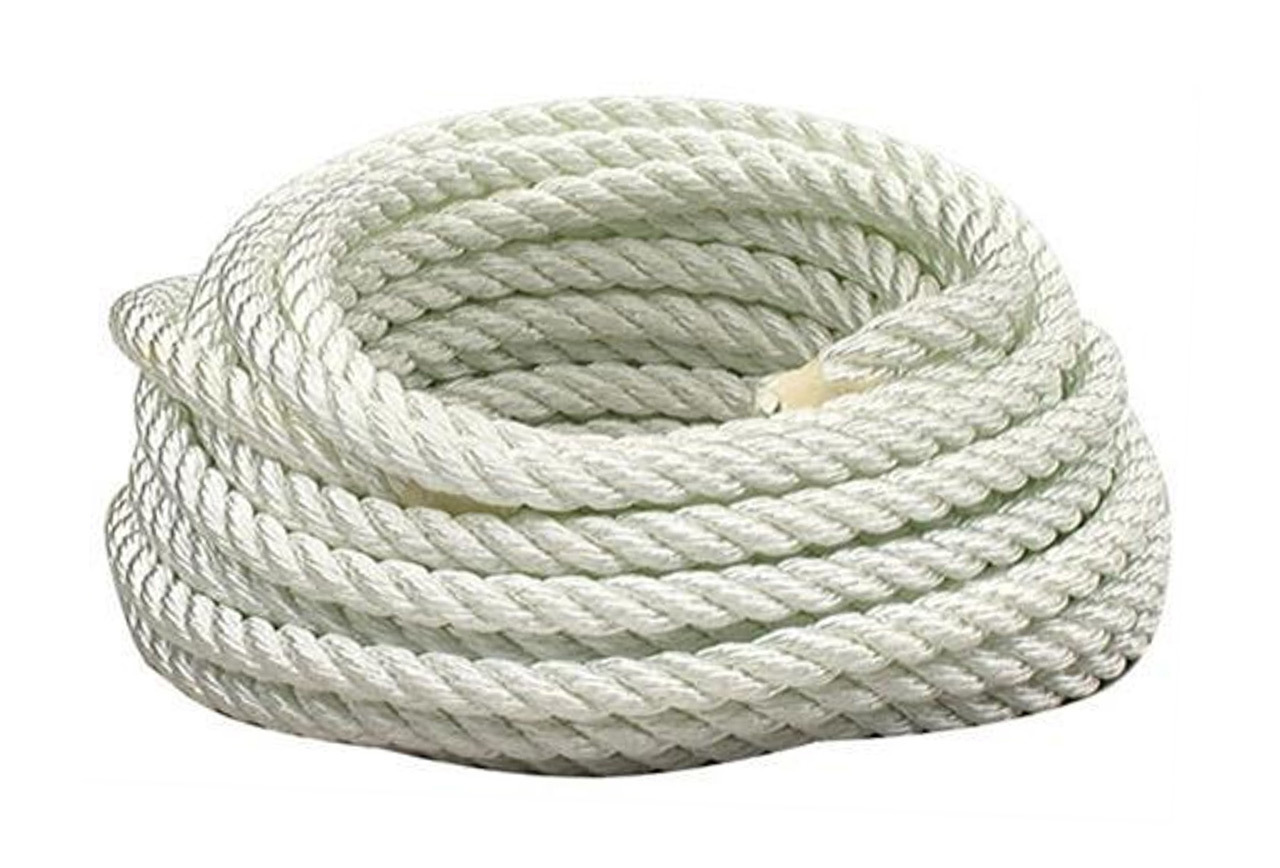
First, premium gift and luxury packaging sector: many high-end wine boxes, jewelry boxes use sisal silk twisted rope as handle material, it does not leave burr scratches on product surface, and brings unique natural texture. Second, home decor sector: woven sisal silk carpets, macrame wall hangings, plant hanging baskets are very popular among consumers who prefer eco-friendly home styles. Third, pet product sector: besides cat scratching posts, sisal silk is also used for making bite-resistant dog chew toys, which is non-toxic even if pets swallow small fiber pieces.
Selection and Maintenance Tips for Sisal Silk Products
You can follow 3 simple principles to select high quality sisal silk products and extend their service life as much as possible.
When selecting products, first touch the fiber surface: qualified sisal silk should feel smooth without any prickling burrs. Second, check fiber color: uniform light golden yellow is the standard color of natural sisal silk, too white or too dark color usually means unqualified processing. For daily maintenance, you can wipe the surface with a damp cloth, avoid long term soaking in water, and store in ventilated place to avoid mildew in high humidity environment.
Frequently Asked Questions
Q: What is the minimum order quantity of sisal silk products from Baoli Xing?
A: Baoli Xing accepts small batch orders starting from 50kg for regular specification sisal silk, customized specifications such as special diameter or color can be discussed with our sales team separately to meet different buyer requirements.
Q: Is sisal silk more expensive than regular sisal fiber?
A: Normally the unit price of sisal silk is 30% to 45% higher than regular sisal fiber, but it greatly reduces the risk of user scratches and product surface damage in use, delivering better overall cost performance for high-value application scenarios.
Q: Can sisal silk be dyed into different colors?
A: Yes, natural sisal silk has excellent dye absorption performance, it can be dyed into all stable solid colors without fading under normal indoor use, all dye materials used by Baoli Xing meet environmental protection standards.
Q: What is the average delivery time for sisal silk orders?
A: For regular specification sisal silk products in stock, delivery can be arranged within 3 working days. For bulk orders over 10 tons, the production and delivery cycle is 7 to 15 working days depending on specific order requirements.
This article was generated by AI and is for reference only.
looking for hemp rope products manufacturers?
Service Hotline:
E-mail:
Address:
Tofu Shop Team of Disha Village, Mapo Town, Luchuan County, Yulin City, Guangxi Province
More news
Address: Tofu Shop Team, Disha Village, Mapo Town, Luchuan County, Yulin City, Guangxi Province
E-mail:1286979863@qq.com


